Delving into the realm of fire damage restoration services unveils a crucial aspect of post-fire recovery. This article aims to shed light on the significance of such services and the key steps involved in restoring a property to its former glory.
Introduction to Fire Damage Restoration Services
Fire damage restoration services are crucial in the aftermath of a fire incident as they help restore properties to their pre-fire condition, ensuring the safety and well-being of occupants.
The primary goals of fire damage restoration services include removing smoke, soot, and water damage, eliminating odors, and repairing structural damage to the property.
Key Steps in Fire Damage Restoration
- Assessment of Damage: Professionals assess the extent of fire, smoke, and water damage to determine the restoration plan.
- Water Extraction and Drying: Water from firefighting efforts is removed, and affected areas are dried to prevent mold and further damage.
- Smoke and Soot Removal: Specialized equipment is used to clean and remove smoke and soot residue from surfaces and belongings.
- Odor Elimination: Techniques such as ozone treatment or thermal fogging are employed to remove lingering smoke odors.
- Structural Repair: Reconstruction and repair of damaged structures, including walls, floors, and ceilings, are carried out to restore the property.
- Content Cleaning: Personal belongings and furnishings are cleaned, deodorized, and restored whenever possible.
Assessing Fire Damage
When assessing fire damage in a property, it is crucial to have a systematic approach to accurately determine the extent of the destruction. This process involves evaluating the structural integrity of the building, identifying the areas affected by fire, smoke, and water damage, and assessing the overall safety of the property.
Tools and Techniques Used
- Visual Inspection: Inspectors visually assess the damage caused by the fire, examining walls, ceilings, floors, and other structural components for signs of charring, soot, and smoke damage.
- Moisture Meters: These tools help detect hidden moisture in walls, ceilings, and floors, which may have been affected by water used to extinguish the fire.
- Thermal Imaging Cameras: These cameras can detect temperature variations in building materials, helping identify hidden fire damage.
- Air Quality Testing: Sampling the air for contaminants such as smoke particles and toxic gases can provide valuable information about the extent of damage and potential health risks.
- Documentation: Keeping detailed records through photographs, videos, and written reports is essential for accurately documenting the damage for insurance claims and restoration purposes.
Challenges Faced
- Hidden Damage: Not all fire damage is visible to the naked eye, making it challenging to assess the full extent of the destruction without specialized tools.
- Structural Integrity: Assessing the safety of the building after a fire can be risky, as weakened structures may pose hazards to inspectors and restoration professionals.
- Time Constraints: The longer the assessment process takes, the greater the risk of secondary damage such as mold growth and further deterioration of the property.
Cleaning and Salvaging Process
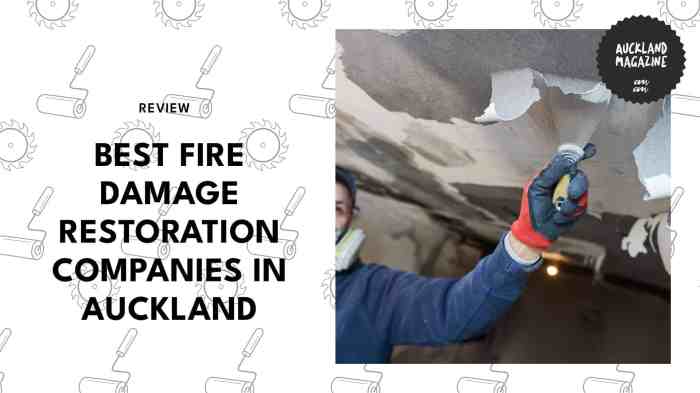
When it comes to fire damage restoration services, the cleaning and salvaging process is crucial in restoring a property to its pre-fire condition. Cleaning methods are used to remove soot, smoke residue, and odors, while salvaging involves identifying and restoring items that can be saved.
Cleaning Methods
- Dry Cleaning: This method involves using dry sponges or cleaning cloths to remove light soot and residue from surfaces.
- Wet Cleaning: Wet cleaning is used for heavier soot and smoke residue, using water or cleaning solutions to scrub surfaces.
- Chemical Sponges: These specialized sponges are effective in removing soot and smoke residue from delicate surfaces without causing damage.
Salvageable Items and Restoration
- Clothing: Clothing items can often be salvaged through dry cleaning or specialized cleaning methods to remove smoke odors.
- Furniture: Wooden furniture can be restored through refinishing, while upholstery can be cleaned using appropriate methods.
- Documents and Photos: Important documents and photos can be restored through freeze-drying and careful cleaning techniques.
Cleaning Techniques for Different Materials
- Hard Surfaces: Hard surfaces like walls and countertops can be cleaned using wet cleaning methods to remove soot and residue effectively.
- Soft Surfaces: Carpets and upholstery require specialized cleaning techniques to remove smoke odors and residue without causing damage.
- Electronics: Electronics that have been damaged by fire require specialized cleaning and restoration to prevent further damage and ensure safety.
Structural Repair and Reconstruction
When it comes to fire damage restoration, structural repair and reconstruction are crucial steps in restoring a property to its pre-fire condition. Ensuring the stability and safety of the structure is paramount to prevent any further damage or hazards.
Importance of Structural Stability
Structural stability is vital in fire-damaged properties to prevent collapse or further structural damage. Professionals must assess the extent of the damage and develop a plan to reinforce and repair the affected areas.
Ensuring Safety during Repair and Reconstruction
- Professionals conduct thorough inspections to identify compromised structural elements and develop a repair strategy.
- Temporary supports and reinforcements may be installed to ensure the safety of workers during the repair process.
- Specialized equipment and techniques are utilized to strengthen weakened structures without compromising the overall integrity of the property.
- Regular inspections and quality checks are performed to guarantee that the repaired structure meets safety standards and regulations.
Odor Removal and Deodorization
When a property suffers from fire damage, one of the lingering issues that homeowners face is the strong smoke and fire odors that permeate the space. Odor removal and deodorization are crucial steps in the fire damage restoration process to ensure that the property is safe and comfortable to inhabit once again.
Methods for Removing Smoke and Fire Odors
- Thermal fogging: This method involves using a specialized machine to create a fog of deodorizing agents that penetrate porous materials and neutralize odors.
- Ozone treatment: Ozone generators are used to break down odors at a molecular level, effectively eliminating them from the air and surfaces.
- Hydroxyl generators: These machines produce hydroxyl radicals that react with and neutralize odors, providing a safe and effective deodorization solution.
Challenges of Deodorizing Fire-Damaged Areas
- Deep penetration: Smoke particles can penetrate deep into porous materials, making it challenging to completely remove odors without proper equipment and techniques.
- Residual soot: Soot deposits left behind after a fire can continue to emit odors if not properly cleaned and deodorized, requiring thorough removal.
- Air ducts and HVAC systems: Smoke and odors can travel through air ducts and HVAC systems, necessitating comprehensive cleaning and deodorization to prevent recontamination.
Tips for Ensuring Long-Term Odor Removal Success
- Professional assessment: Have a professional restoration team assess the extent of the odor damage and develop a customized deodorization plan.
- Complete cleaning: Ensure all surfaces, including walls, floors, and furniture, are thoroughly cleaned to remove soot and smoke residue that can contribute to lingering odors.
- Air purification: Use air purifiers and ventilation systems to help remove odors from the air and maintain a fresh indoor environment.
- Sealing surfaces: In some cases, sealing surfaces with special odor-blocking primers can help prevent odors from resurfacing after restoration is complete.
Closing Notes
In conclusion, fire damage restoration services play a vital role in reviving properties affected by fire incidents. By understanding the process of assessment, cleaning, structural repair, and odor removal, individuals can navigate the restoration journey with confidence.
Frequently Asked Questions
What are the primary goals of fire damage restoration services?
The primary goals include restoring the property to its pre-fire condition, mitigating further damage, and ensuring the safety of the occupants.
How do professionals ensure safety during the repair and reconstruction process?
Professionals ensure safety by conducting thorough assessments, using appropriate safety gear, and following industry regulations and standards.
What are some challenges faced during the assessment phase of fire damage restoration?
Challenges may include identifying hidden damage, assessing structural integrity, and determining the extent of contamination.
How are different cleaning techniques used for various types of materials damaged by fire?
Cleaning techniques vary based on the material involved, such as dry cleaning for fabrics, specialized solutions for hard surfaces, and soot removal for walls and ceilings.
What methods are employed for removing smoke and fire odors from a property?
Methods include ozone treatment, thermal fogging, air scrubbers, and using specialized deodorizing agents to eliminate persistent odors.