Exploring the cost to install new vinyl siding unveils a detailed analysis of the various factors influencing expenses, estimates, comparisons with other materials, and useful tips for cost reduction. This comprehensive guide aims to provide homeowners with essential information to make informed decisions regarding siding installation.
Factors that affect the cost of installing new vinyl siding
When considering the cost of installing new vinyl siding, various factors come into play that can impact the overall expense. Understanding these factors can help homeowners make informed decisions regarding their siding installation project.
Labor Costs
The cost of labor is a significant factor in determining the total cost of installing new vinyl siding. Hiring professional contractors to install the siding will typically result in higher labor costs compared to a DIY approach. Professionals have the experience and tools necessary to complete the job efficiently and effectively, but this expertise comes at a price.
Size and Layout of the House
The size and layout of the house can also influence the total cost of installing new vinyl siding. Larger homes will require more materials and labor to complete the installation, leading to higher overall costs. Additionally, houses with complex layouts or architectural features may require additional time and effort to install the siding properly, further impacting the total cost.
Material Quality
The quality of the vinyl siding materials chosen for the installation will directly affect the cost. Higher quality materials tend to be more expensive but offer greater durability and longevity. While opting for lower quality materials may reduce upfront costs, it could result in higher maintenance and replacement expenses in the long run.
Professionals vs. DIY Installation
Deciding whether to hire professionals or undertake a DIY installation can significantly impact the overall cost of installing new vinyl siding. While hiring professionals may result in higher upfront costs, it can ensure a high-quality installation with fewer risks of mistakes.
On the other hand, DIY installation can save on labor costs but may require more time, effort, and skill to complete the project successfully.
Average cost estimates for installing new vinyl siding
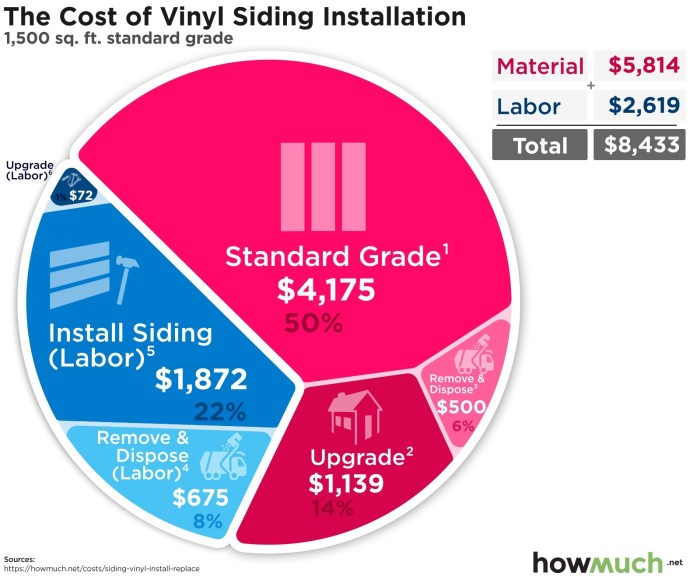
Installing new vinyl siding can vary in cost depending on a variety of factors. On average, homeowners can expect to pay between $3 to $7 per square foot for vinyl siding installation. This cost typically includes the materials, labor, and any additional supplies needed for the project.
Breakdown of average cost per square foot
- The cost of vinyl siding itself ranges from $1 to $4 per square foot.
- Labor costs typically range from $2 to $3 per square foot.
- Additional supplies and equipment may add another $1 per square foot to the total cost.
Additional costs
- Removal of old siding can cost between $1,000 to $3,000 depending on the size of the home and the type of siding being removed.
- Insulation installation can add an additional $1 to $2 per square foot to the total cost.
- Trim work, such as around windows and doors, can cost between $500 to $1,500 extra.
Difference in costs between premium and budget vinyl siding options
- Premium vinyl siding options can cost between $4 to $7 per square foot, while budget options may range from $1 to $3 per square foot.
- Premium options often offer enhanced durability, color choices, and warranties, which can justify the higher cost.
- Homeowners on a budget may opt for more affordable vinyl siding options, but should consider the long-term savings and benefits of higher-quality materials.
Potential cost savings or discounts
- Some contractors may offer discounts for larger projects or off-season installations, so it's worth inquiring about any potential savings.
- Comparing quotes from multiple contractors can also help homeowners find the best deal for their vinyl siding installation.
- DIY installation can save on labor costs, but it's important to weigh the time, skills, and potential risks involved in taking on the project yourself.
Cost comparison with other siding materials
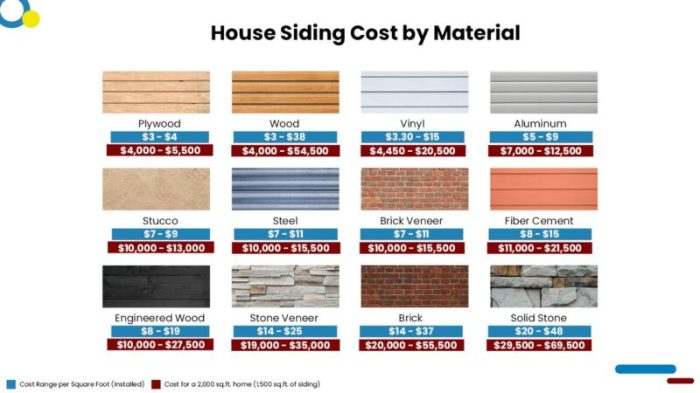
When considering the cost of installing new vinyl siding, it's important to compare it with other popular siding materials such as wood, fiber cement, and metal to make an informed decision.
Wood Siding
- Wood siding typically has a higher upfront cost compared to vinyl siding.
- However, wood siding may require more maintenance over time, including painting and staining, which can increase long-term costs.
- Wood siding is also susceptible to rot, insects, and moisture damage, which can lead to costly repairs.
Fiber Cement Siding
- Fiber cement siding is more expensive to install initially than vinyl siding.
- However, fiber cement siding is durable and low maintenance, reducing long-term costs associated with upkeep.
- It is resistant to rot, fire, insects, and harsh weather conditions, making it a cost-effective option in the long run.
Metal Siding
- Metal siding can be more affordable than vinyl siding in terms of installation costs.
- However, metal siding may dent easily and require repainting over time, increasing maintenance expenses.
- It is important to consider the longevity and durability of metal siding when evaluating the overall cost.
Choosing vinyl siding over other materials can result in lower long-term costs due to its low maintenance requirements and durability. Vinyl siding does not require painting or staining, saving on upkeep expenses over the years. Additionally, vinyl siding is resistant to rot, insect damage, and moisture, reducing the likelihood of costly repairs.
From an environmental perspective, vinyl siding has been criticized for its environmental impact during production and disposal. However, advancements in manufacturing processes have made vinyl siding more environmentally friendly over the years. When compared to wood siding, which involves cutting down trees, and fiber cement siding, which requires high energy consumption in production, vinyl siding can be a more sustainable choice.
Tips for reducing the cost of installing new vinyl siding
When it comes to installing new vinyl siding, there are several strategies that homeowners can employ to reduce costs. From negotiating with contractors to investing in energy-efficient materials, these tips can help you save money in the long run.
Negotiating with Contractors
- Get multiple quotes from different contractors to compare prices and services.
- Ask for discounts or promotions, especially during off-peak seasons.
- Consider offering to pay in cash or upfront for a potential discount.
- Be flexible with the timing of the project to take advantage of any cost-saving opportunities.
Bundling Services or Materials
- Consider bundling the installation of vinyl siding with other home improvement projects to save on labor costs.
- Purchase materials in bulk or as part of a package deal to reduce overall expenses.
- Opt for pre-finished vinyl siding to avoid additional painting costs.
Proper Maintenance for Longevity
- Regularly clean and inspect your vinyl siding to prevent damage and costly repairs.
- Address any issues promptly to avoid more extensive damage that may require replacement.
- Avoid using harsh chemicals or abrasive tools that can damage the vinyl surface.
Investing in Energy-Efficient Siding
- Choose insulated vinyl siding to improve energy efficiency and reduce heating and cooling costs.
- Look for Energy Star-rated products that meet high standards for efficiency.
- Consider the long-term savings on utility bills when investing in energy-efficient siding.
Ending Remarks
In conclusion, understanding the cost dynamics of installing new vinyl siding is crucial for homeowners embarking on renovation projects. By considering factors like labor costs, material quality, and maintenance tips, individuals can navigate the process efficiently and cost-effectively.
FAQ Explained
What factors affect the cost of installing new vinyl siding?
Labor costs, house size, layout, and material quality all play significant roles in determining the overall installation cost.
What are the average cost estimates for installing new vinyl siding?
The average cost per square foot, additional expenses like old siding removal, insulation, and differences between premium and budget options are essential to consider.
How does the cost of vinyl siding compare to other materials?
Comparisons with wood, fiber cement, and metal siding, long-term cost implications, maintenance costs, and environmental impacts provide insights into cost differentials.
What are some tips for reducing the cost of installing new vinyl siding?
Negotiating with contractors, bundling services, proper maintenance, and investing in energy-efficient options are effective strategies to minimize expenses.