As security camera installation near me takes center stage, this opening passage beckons readers into a world crafted with good knowledge, ensuring a reading experience that is both absorbing and distinctly original.
Exploring the importance of security cameras, different types available, factors to consider before installation, and the debate between professional installation versus DIY options.
Importance of Security Camera Installation
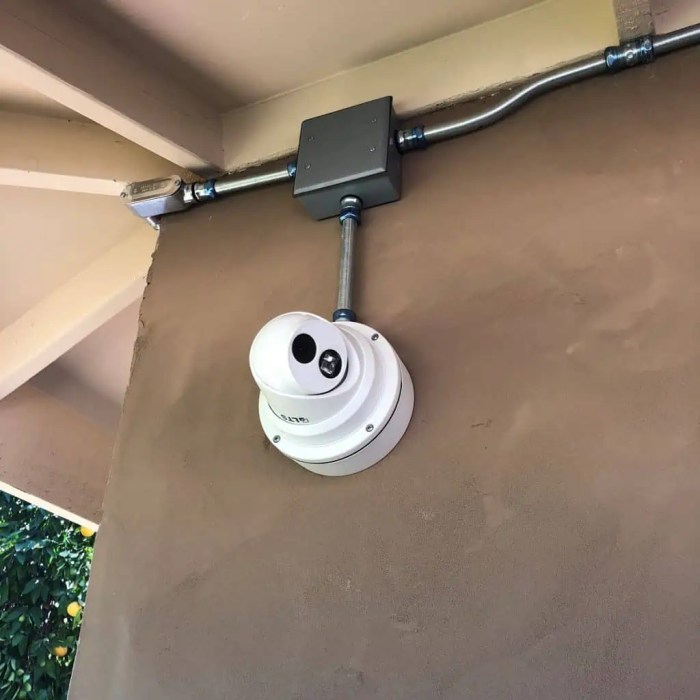
Having security cameras installed near your premises is crucial for ensuring the safety and security of your property, belongings, and most importantly, your loved ones. These cameras act as a proactive measure to deter criminal activities and provide valuable evidence in case of any incidents.
Enhanced Safety and Crime Prevention
Security camera installation plays a significant role in enhancing safety by monitoring activities in and around your property 24/7. The presence of cameras acts as a deterrent for potential intruders or criminals, reducing the risk of theft, vandalism, or other crimes.
Effectiveness in Preventing Incidents
Statistics have shown that properties with security cameras are less likely to be targeted by criminals. In fact, according to a study conducted by the University of North Carolina, homes without security systems are 300% more likely to be broken into.
This highlights the effectiveness of security cameras in preventing incidents and providing peace of mind to property owners.
Types of Security Cameras
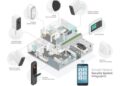
When it comes to choosing a security camera for installation, there are several types available, each with its own set of features and benefits. Understanding the differences between these types can help you make an informed decision based on your specific security needs.
1. Dome Cameras
Dome cameras are named for their dome-shaped housings, making them discreet and less intrusive. They are commonly used in indoor settings and provide a wide viewing angle, making them ideal for monitoring large areas.
2. Bullet Cameras
Bullet cameras are shaped like a bullet or cylinder and are typically used for outdoor surveillance. They are weatherproof and offer a long-range view, making them suitable for monitoring outdoor spaces like parking lots or yards.
3. PTZ Cameras
PTZ (Pan-Tilt-Zoom) cameras offer the ability to pan, tilt, and zoom in on specific areas, providing flexibility in monitoring. They can be controlled remotely to focus on specific details and are often used in larger areas that require active monitoring.
4. Wireless Cameras
Wireless cameras are easy to install and offer flexibility in camera placement without the need for extensive wiring. They are ideal for rental properties or areas where wiring is difficult. However, they may be susceptible to interference and require a strong Wi-Fi signal.
5. Wired Cameras
Wired cameras are reliable and provide a stable connection for video transmission. They are not susceptible to interference and are suitable for areas where a consistent connection is crucial. However, the installation process can be more complex due to wiring requirements.
Factors to Consider Before Installation
When choosing a security camera for installation, there are several important factors to consider to ensure maximum coverage and effectiveness. Optimal camera placement, lighting conditions, and weather all play a crucial role in the performance of security cameras.
Optimal Camera Placement
- Position cameras at entry points such as doors and windows to capture potential intruders.
- Ensure cameras are mounted at a height that provides a clear view of the area without obstruction.
- Consider the field of view of each camera to eliminate blind spots and maximize coverage.
Lighting Conditions and Weather Impact
- Choose cameras with infrared technology for low-light or nighttime recording.
- Adjust camera angles to avoid glare from direct sunlight or harsh artificial lighting.
- Protect outdoor cameras from extreme weather conditions with weatherproof housing.
Professional Installation vs. DIY Installation
When it comes to installing security cameras, you have the option of hiring professionals or doing it yourself. Each choice has its own set of advantages and disadvantages that you should consider before making a decision.
Advantages and Disadvantages of Professional Installation
Professional installation of security cameras ensures that the job is done correctly and efficiently. These experts have the knowledge and experience to set up the system in the most effective way possible. However, hiring professionals can be costly and may require scheduling appointments that fit their availability.
Advantages and Disadvantages of DIY Installation
DIY installation allows you to save money and have more control over the process. You can install the cameras at your convenience and customize the setup to your liking. However, DIY installation may take more time and effort, especially if you are not experienced in handling security systems.
Step-by-Step Guide for DIY Security Camera Installation
- Choose the right location for your cameras, considering the areas you want to monitor.
- Mount the cameras securely using the appropriate tools and equipment.
- Connect the cameras to the DVR or NVR system following the manufacturer's instructions.
- Set up the viewing software on your computer or mobile device to access the camera feed.
- Adjust the camera angles and settings to ensure optimal coverage and image quality.
Tips for Troubleshooting Common Issues during DIY Installation
- Check the power source and connections to make sure everything is properly plugged in.
- Ensure that the cameras are within range of the Wi-Fi signal if they are wireless.
- Update the firmware of the cameras and the recording device to the latest version.
- Test the system regularly to identify any potential issues early on.
Last Recap
In conclusion, the discussion on security camera installation near me sheds light on the critical role these devices play in safeguarding our surroundings and deterring criminal activities.
FAQ Resource
What are the benefits of security camera installation near me?
Installing security cameras near your premises provides round-the-clock surveillance, enhances safety, and deters criminal activities.
How can lighting conditions impact security camera performance?
Poor lighting conditions can affect the clarity of footage captured by security cameras, compromising their effectiveness. Ensuring proper lighting is crucial for optimal performance.
Is DIY installation recommended over professional installation?
The decision between DIY and professional installation depends on factors like technical expertise, time availability, and budget. Professional installation ensures proper setup and functionality, while DIY can be cost-effective for those with the necessary skills.