Delving into the world of siding on roofs, this article aims to provide a comprehensive overview of the various materials, installation methods, maintenance tips, and benefits associated with this essential roofing component.
Types of Siding Materials for Roofs
When it comes to siding materials for roofs, there are several options available, each with its own set of advantages and disadvantages. Choosing the right siding material for your roof is crucial as it can impact the overall aesthetics, durability, and maintenance of your home.
Asphalt Shingles
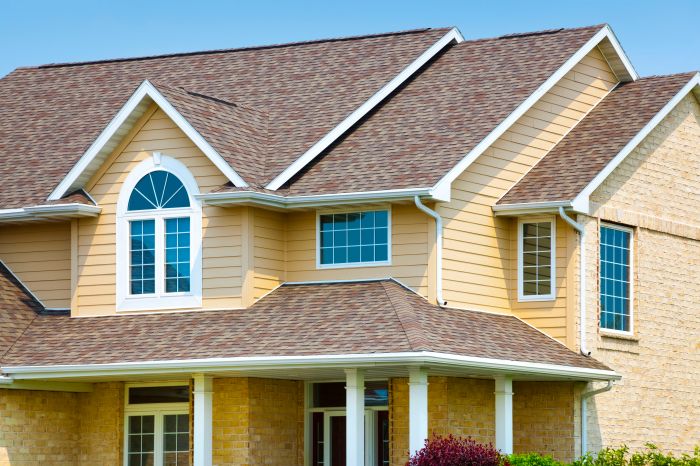
Asphalt shingles are one of the most popular siding materials used on roofs. They are affordable, easy to install, and come in a variety of colors and styles. However, asphalt shingles may not be as durable as other materials and may require more frequent maintenance.
Metal Roofing
Metal roofing is known for its durability and longevity. It is resistant to fire, mildew, insects, and rot. Metal roofs are also energy efficient and environmentally friendly. However, metal roofing can be more expensive than other materials and may be prone to denting or noise during heavy rain.
Wood Shingles
Wood shingles give a rustic and natural look to a roof. They are eco-friendly and can last a long time with proper maintenance. However, wood shingles are more susceptible to fire and rot, requiring regular upkeep to prevent damage.
Slate Tiles
Slate tiles are a premium option for roofing materials. They are extremely durable, fire-resistant, and have a unique, elegant appearance. However, slate tiles are heavy and may require additional structural support. They are also one of the most expensive siding materials available.
Fiber Cement Siding
Fiber cement siding is a versatile and low-maintenance option for roofs. It is resistant to fire, insects, and rot, and comes in a variety of textures and colors. However, fiber cement siding can be heavy and may require professional installation.
Installation Methods for Roof Siding
Installing siding on a roof requires careful planning and precise execution to ensure a secure and durable finish. Below are the step-by-step process, best practices, and tips for a successful installation of roof siding.
Step-by-Step Installation Process
- 1. Prepare the Roof Surface: Clean the roof surface thoroughly and make any necessary repairs before installing the siding.
- 2. Measure and Cut the Siding: Measure the dimensions of the roof and cut the siding panels accordingly to fit perfectly.
- 3. Install Starter Strips: Begin by installing starter strips at the bottom of the roof to provide a base for the siding panels.
- 4. Secure the Siding Panels: Attach the siding panels to the roof using appropriate fasteners, ensuring they are properly aligned and spaced.
- 5. Finish the Edges: Complete the installation by adding finishing touches to the edges and corners for a clean look.
Best Practices for Secure and Durable Installation
- 1. Use High-Quality Materials: Invest in durable and weather-resistant siding materials to ensure longevity.
- 2. Follow Manufacturer's Guidelines: Adhere to the manufacturer's instructions for installation to guarantee a proper and secure fit.
- 3. Seal Joints and Gaps: Seal any gaps or joints in the siding to prevent water infiltration and maintain the integrity of the roof.
Tips for DIY Installation
- 1. Take Measurements Accurately: Double-check all measurements before cutting the siding panels to avoid mistakes.
- 2. Work in Pairs: Enlist the help of a friend or family member to make the installation process easier and safer.
- 3. Safety First: Use appropriate safety gear, such as gloves and goggles, to protect yourself during the installation.
Maintenance and Care of Roof Siding
Regular maintenance is crucial to ensure the longevity and appearance of your roof siding. By following proper care routines, you can prevent damage and extend the lifespan of your siding materials. Here are some essential maintenance tasks and care tips for roof siding:
Cleaning and Protecting Different Types of Roof Siding Materials
- For vinyl siding, use a mixture of water and mild detergent to clean off dirt and grime. Avoid using harsh chemicals that can damage the material.
- Wood siding should be regularly inspected for mold and mildew. Clean with a solution of water and bleach to prevent growth.
- Metal siding can be cleaned with a solution of water and vinegar to remove dirt and stains. Apply a protective coating to prevent rust formation.
- Fiber cement siding should be washed with a gentle soap and water solution. Avoid high-pressure washing as it can damage the material.
Common Issues with Roof Siding and How to Address Them
- Moisture damage: Inspect your siding for signs of water infiltration, such as rot or mold. Repair or replace damaged sections promptly to prevent further deterioration.
- Pest infestation: Look out for signs of pest activity, such as holes or nests. Seal entry points and consider using pest control methods to deter insects or rodents.
- Color fading: Over time, exposure to sunlight can cause siding colors to fade. Consider repainting or applying a UV-resistant coating to maintain the appearance.
- Cracks or gaps: Inspect your siding for cracks or gaps that can allow moisture to seep in. Seal gaps with caulk or replace damaged sections to maintain the integrity of the siding.
Benefits of Siding on Roofs
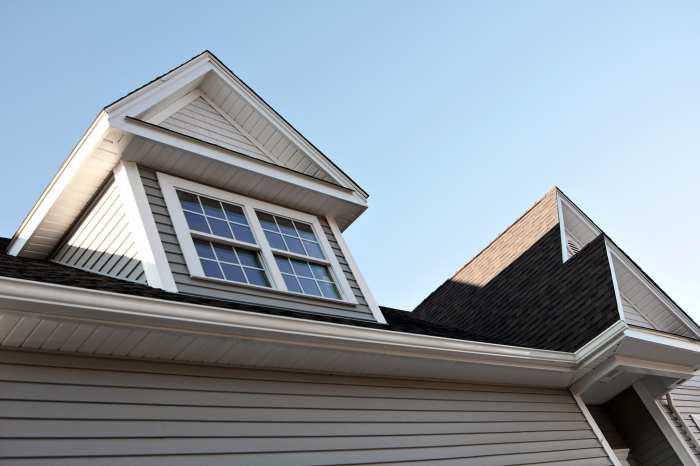
Having siding on roofs offers numerous advantages in terms of protection and aesthetics. It not only enhances the visual appeal of a property but also provides a layer of defense against the elements.
Enhanced Energy Efficiency and Insulation
Siding on roofs can play a crucial role in improving energy efficiency by acting as an additional barrier against heat loss or gain. This helps in maintaining a more consistent indoor temperature, reducing the workload on heating and cooling systems.
Increased Property Value
Investing in quality roof siding can significantly boost the overall value of a property. It not only enhances the curb appeal but also adds a layer of protection that can attract potential buyers and increase the resale value.
Closing Notes
In conclusion, siding on roofs not only offers protection and aesthetic appeal but also contributes to energy efficiency and property value. With the right materials and installation techniques, your roof can truly stand out.
Detailed FAQs
What are the best siding materials for roofs?
Commonly used siding materials for roofs include asphalt shingles, metal panels, wood shakes, and vinyl siding.
How can I ensure a secure installation of roof siding?
It is essential to follow manufacturer guidelines, use proper tools, and ensure a level surface for installation to guarantee a secure siding placement.
What maintenance tasks are required for roof siding?
Regular cleaning, inspections for damage, and resealing are key maintenance tasks to uphold the integrity of roof siding.
Can siding on roofs improve energy efficiency?
Yes, certain siding materials can act as insulators, reducing heat transfer and enhancing the energy efficiency of a property.